Do I Need a Microphone Preamp?
If you’re getting into recording, you’ve probably asked yourself: “Do I actually need a microphone preamp?” The short answer is yes—but not always in the way you might think.
Every time you plug a microphone into an audio interface, you’re already using a preamp. The real question isn’t whether you need one—it’s whether you need a better one.
What Does a Mic Preamp Actually Do?
Microphones produce a very low-level signal—far too quiet to be recorded properly. A mic preamp boosts that signal up to “line level,” which is strong enough for your recording system to process cleanly.
Without a preamp, your recordings would be extremely quiet, noisy, and unusable. So technically, you’re always using one.
So Why Upgrade Your Preamp?
Here’s where things get interesting. Not all preamps sound the same.
The built-in preamps in most audio interfaces are designed to be clean, affordable, and functional—but they’re not always designed to sound inspiring. That’s where external preamps come in.
A high-quality preamp doesn’t just make your signal louder—it shapes your sound in subtle but important ways:
- More depth: Your recordings feel more “3D” and less flat
- Better clarity: Instruments sit more naturally in a mix
- Improved tone: Vocals and instruments sound fuller and more polished
- Stronger transients: Drums and percussive elements hit with more impact
Built-In vs External Preamps
Built-in interface preamps are great for getting started—but they often prioritize convenience over character. External preamps, on the other hand, are designed specifically for sound quality.
Think of it like this: your interface preamp is a reliable utility tool, while a dedicated preamp is more like a finely tuned instrument.
This is especially noticeable when recording:
- Vocals that need presence and depth
- Acoustic instruments that benefit from detail
- Drums or percussion where punch matters
When Do You Actually Need an External Preamp?
You don’t need an external preamp to start recording—but you’ll start to notice the difference when:
- Your recordings feel flat or lifeless
- You’re struggling to get vocals to “sit” in a mix
- You want a more professional, finished sound
- You’re upgrading other parts of your signal chain (mics, monitors, etc.)
At that point, upgrading your preamp can be one of the biggest improvements you can make.
What Makes a Great Mic Preamp?
High-end preamps are designed with better components, more headroom, and carefully tuned circuitry that enhances the musicality of your recordings.
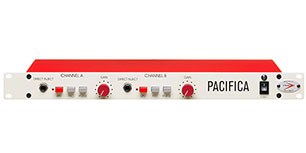
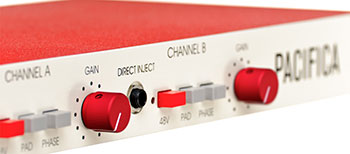
For example, transformer-based preamps—like the A-Designs Pacifica mic preamp—are known for adding depth, punch, and a sense of weight to your sound that’s difficult to achieve with basic interface gear.
Instead of sounding sterile or flat, your recordings take on a more finished, record-ready quality right from the source.
Do You Need One Right Now?
If you’re just starting out, your interface preamps are perfectly fine. But if you’re serious about improving your recordings, an external preamp is one of the most noticeable upgrades you can make.
It’s not about fixing bad recordings—it’s about elevating good ones into something great.
Final Thoughts
So, do you need a mic preamp? Yes—you’re already using one. But when you’re ready to take your sound to the next level, upgrading to a high-quality external preamp can completely change how your recordings feel.
It’s one of those pieces of gear that, once you hear it, you can’t un-hear the difference.