Why a Good Preamp Matters
If you’ve ever wondered why some recordings sound rich, detailed, and professional—while others feel flat or lifeless—the answer often comes down to one critical stage in the signal chain: the mic preamp.
The preamp is the very first place your sound is shaped after it leaves the microphone. And because that signal starts out incredibly quiet, the quality of your preamp matters far more than most people realize.
It All Starts with a Tiny Signal
A microphone produces what’s called a mic-level signal—a very low-voltage signal that’s often just a few millivolts. Before it can be recorded, that signal needs to be amplified by 40–60 dB or more.
That’s a massive amount of gain. And here’s the key point:
Whatever happens to your signal during that gain stage becomes part of your sound.
If the preamp is clean, detailed, and well-designed, you capture the full character of the source. If it’s noisy, flat, or limited, you’re losing information before your recording even begins.
You Can’t Fix What Was Never Captured
One of the biggest misconceptions in modern recording is that you can “fix it in the mix.” But if your preamp doesn’t accurately capture the tone, depth, and transient detail of your source, no amount of EQ or plugins can truly bring that information back.
This is especially important for:
- Vocals: where nuance and presence matter
- Acoustic instruments: where detail and dynamics define the sound
- Drums and percussion: where transient accuracy is critical
The Difference Between Interface and High-End Preamps
Most audio interfaces include built-in preamps, and they’ve come a long way. They’re clean, convenient, and perfectly usable—especially for beginners.
But they’re designed to meet a price point and to fit multiple channels into a compact space. That often means compromises in components, headroom, and overall sonic depth.
A dedicated, high-quality preamp is built with a completely different goal: to sound as good as possible.
That difference shows up in subtle but important ways:
- More headroom: Handles peaks without harshness
- Better noise performance: Cleaner recordings at higher gain levels
- Improved transient response: More punch and clarity
- Greater harmonic detail: A sense of depth and dimension
Why Transformer-Based Preamps Stand Out
One of the defining features of many high-end preamps is the use of transformers in the signal path. Transformers don’t just pass audio—they shape it in a way that enhances musicality.
A transformer-based design can add:
- Weight and authority in the low end
- A forward, present midrange
- Smooth, extended high frequencies
This is part of what gives classic recordings their depth and character—and why modern engineers still rely on designs inspired by vintage consoles.
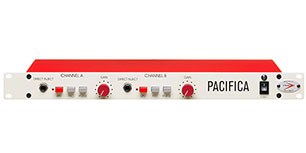
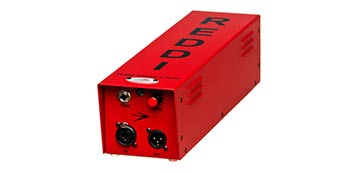
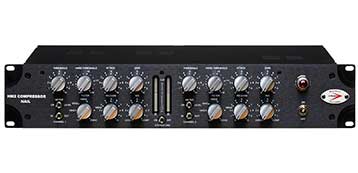
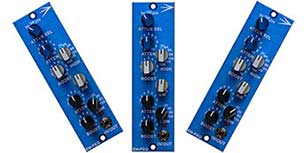
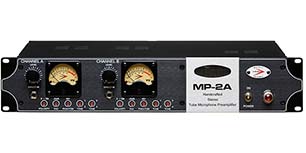
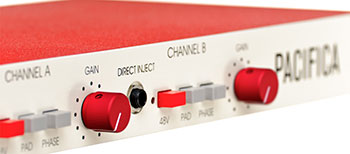
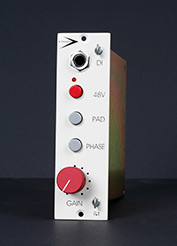
A great example is the A-Designs Pacifica mic preamp, which draws from classic console designs to deliver a sound that’s both detailed and musical. Instead of simply amplifying your signal, it enhances it in a way that feels natural and record-ready.
Capturing Tone at the Source
When you use a high-quality preamp, you’re not just recording sound—you’re capturing tone.
This means:
- Vocals sit better in the mix with less effort
- Instruments feel more “alive” and dimensional
- You need less EQ and processing later
In other words, you’re making better decisions at the source instead of trying to fix problems downstream.
Why This Matters More Than Ever
In today’s digital recording world, it’s easy to rely heavily on plugins and post-processing. But the best engineers still focus on getting it right at the source.
A great preamp bridges the gap between the analog world and your digital system—bringing warmth, clarity, and realism into your recordings before they ever hit your DAW.
Final Thoughts
A good preamp isn’t just a technical requirement—it’s a creative tool. It shapes your sound at the most critical stage of the recording process, when your signal is at its most fragile and most important.
If you want your recordings to sound bigger, clearer, and more professional, upgrading your preamp is one of the most impactful steps you can take.
Because when you start with a better signal, everything else gets easier.