Who Used Quad Eight Consoles?
In the golden age of recording—the late 1960s through the 1970s—sound wasn’t just shaped by musicians and engineers. It was shaped by the consoles they used. And among the most respected of these was the Quad Eight mixing console.
Known for its punchy low end, forward midrange, and musical clarity, Quad Eight consoles became a defining part of the sound of countless classic records.
The Rise of Quad Eight
Quad Eight consoles were widely used in major U.S. studios during the 1970s, offering a unique alternative to other iconic desks like Neve and API. Their sound was bold, detailed, and incredibly musical—making them a favorite among engineers who wanted clarity without sacrificing character.
These consoles were installed in top-tier studios across the country, including A&M Records, Capitol Records, Record Plant (Hollywood), and Wally Heider Studios in San Francisco—where a Quad Eight console was installed in Studio A.
Legendary Artists and Recordings
A wide range of influential artists recorded through Quad Eight-equipped studios, helping define the sound of an entire era.
- Steely Dan – Known for pristine, ultra-detailed productions
- Fleetwood Mac – Capturing warmth and depth in classic recordings
- KISS – Punchy, aggressive rock tones
- Bob Dylan – Recording at Shangri-La Ranch
- Queen – Tracking at Rockfield Studios
- The Beach Boys – Rich, layered productions
- Neil Young – Recorded portions of Harvest at Quadrafonic Sound
- Jimmy Buffett – Recorded “Margaritaville” at Quadrafonic Sound
- The Jackson 5 – Sessions at Quad Eight-equipped facilities
- Joe Walsh – Recorded during the Quadrafonic era
- Grand Funk Railroad – Known for sessions at Quad Eight studios
Many of these recordings took place at Quadrafonic Sound Studio in Nashville, which originally featured a Quad Eight console before later upgrades.
What Made Quad Eight Consoles Special?
The secret to Quad Eight’s sound lies in its transformer-based design and carefully tuned circuitry. Unlike ultra-clean modern gear, these consoles added subtle harmonic content, weight, and dimension to every signal that passed through them.
A major part of that sound came from the transformers themselves. The original Quad Eight consoles used custom transformers designed by Ed Reichenbach—whose work became legendary in pro audio.
Today, that lineage continues through Cinemag transformers, founded by Tom Reichenbach (Ed’s son). A-Designs Audio uses custom Cinemag transformers built to the exact same original specifications found in the Quad Eight consoles.
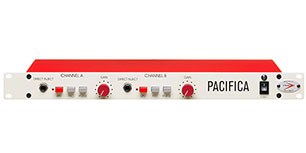
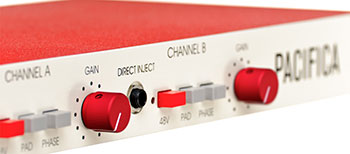
This direct connection is a big part of why modern gear like the Pacifica mic preamp captures so much of that classic tone—preserving the weight, depth, and musicality that made those consoles legendary in the first place.
This resulted in:
- Full, punchy low end
- A forward, musical midrange
- Smooth, open high frequencies
In other words, the console itself became part of the sound—not just a transparent pathway.
From Vintage Consoles to Modern Gear
The influence of Quad Eight consoles hasn’t disappeared—it lives on in modern designs that aim to capture that same musicality and depth.
For example, the A-Designs Pacifica mic preamp was directly inspired by the Quad Eight Pacifica console. It carries forward that signature sound: punchy lows, detailed mids, and extended highs—designed for today’s recording workflows.
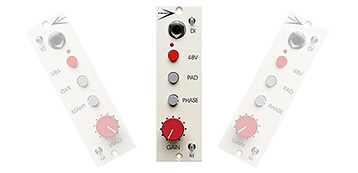
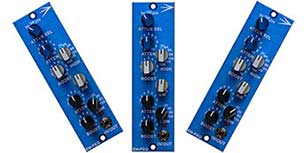
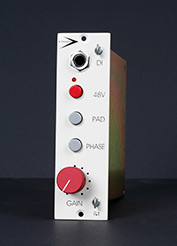
Similarly, the P-1 500-series preamp brings that same character into modern, modular setups.
Why This Still Matters Today
In an era dominated by ultra-clean digital recording, many engineers are rediscovering what made classic records so compelling. It wasn’t just the performances—it was the gear, the circuitry, and the subtle coloration that brought everything to life.
That’s why transformer-based designs remain so relevant. They don’t just capture sound—they enhance it in a way that feels natural and musical.
Final Thoughts
Quad Eight consoles played a major role in shaping the sound of modern music. From rock to pop to singer-songwriter recordings, their influence continues to resonate today.
And thanks to modern gear inspired by those designs, that sound is more accessible than ever.