Famous Albums Recorded on Quad Eight Consoles
The Wall Neil Young
Harvest Steely Dan
Aja Carole King
Tapestry Frank Zappa
Hot Rats Herbie Hancock
Head Hunters & Sextant
Pink Floyd – The Wall

One of the most remarkable stories involving Quad Eight consoles comes from Pink Floyd's monumental album The Wall. Widely considered one of the most ambitious rock productions ever attempted, the project pushed the limits of recording technology.
The album required enormous track counts, orchestral arrangements, sound effects, layered guitars, spoken-word passages, and extensive overdubbing. Today, these tasks might seem straightforward inside a digital workstation. In the late 1970s, they represented a tremendous engineering challenge.
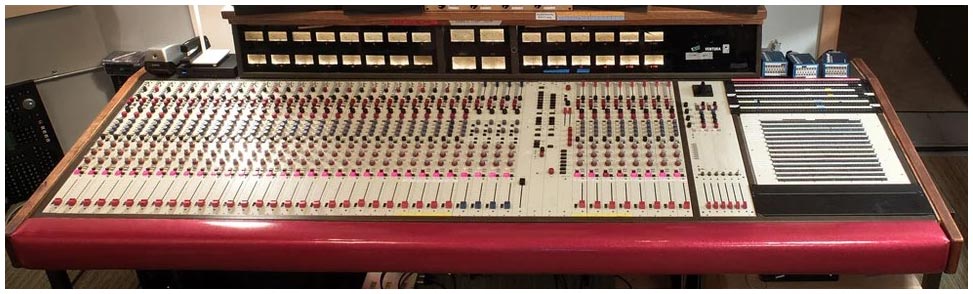
According to numerous accounts, engineers linked three Quad Eight consoles together during the mixing process. This allowed access to significantly more channels and routing possibilities than a single desk could provide.
Such an arrangement required extraordinary coordination. Every signal path, subgroup, effects return, and mix move had to be managed across multiple consoles. Unlike modern DAWs, engineers could not instantly recall settings. Many complex mixes required multiple people performing moves simultaneously.
The fact that Quad Eight consoles were trusted for a production of this magnitude speaks volumes about their flexibility and reliability. The desks provided the routing options and sonic quality necessary to support one of the most complex albums ever created.
Even today, The Wall remains a masterclass in large-format analog production. Recording schools and engineering programs continue to reference the album as an example of what was possible before digital technology transformed the industry.
Neil Young – Harvest

Perhaps the most famous album associated with a Quad Eight console is Neil Young's landmark 1972 release Harvest. Recorded in part at Nashville's Quadrafonic Sound Studio, the album became one of the defining records of the singer-songwriter era.
Tracks such as Heart of Gold continue to be admired for their warmth, intimacy, and natural presentation. Acoustic guitars feel detailed without becoming brittle. Vocals remain emotionally engaging without sounding overprocessed. The overall production feels organic and timeless.
Engineers often study Harvest because it demonstrates how great recordings are built from strong performances captured through quality equipment. Nothing feels forced. The recording simply allows the music to breathe.
More than fifty years later, Harvest remains a benchmark for natural acoustic recording and a powerful example of what analog technology can achieve when used thoughtfully.
Steely Dan – Aja

If The Wall represents the pinnacle of ambitious production, Steely Dan's Aja is often regarded as the gold standard for sonic perfection.
Released in 1977, the album remains one of the most frequently referenced recordings in professional audio. Engineers use it to evaluate monitoring systems, room acoustics, converters, loudspeakers, and recording equipment because of its extraordinary balance and clarity.
Listen carefully to tracks such as Deacon Blues, Peg, or the title track Aja and several qualities become immediately apparent. The low end is powerful but controlled. Cymbals remain detailed without harshness. Vocals sit perfectly within the mix. Every instrument occupies its own space.
Stereo imaging is another reason the album remains a favorite reference. Instruments appear precisely positioned across the soundstage, creating a sense of width and depth that remains impressive even by modern standards.
The drum sounds have become legendary among engineers. Dynamic, punchy, and highly detailed, they continue to serve as benchmarks when evaluating recording systems.
Sessions associated with Steely Dan projects were recorded through the famous Quad Eight console at Village Recorders, further strengthening the connection between Quad Eight equipment and world-class production quality.
Carole King – Tapestry

Carole King's Tapestry remains one of the best-selling and most influential albums of all time. Recorded through a customized Quad Eight console at A&M Studios, the album showcased warmth, intimacy, and emotional honesty that helped define the singer-songwriter movement of the early 1970s.
Songs such as It's Too Late, I Feel the Earth Move, and You've Got a Friend continue to resonate with listeners because of their natural, unforced presentation. King's vocals feel immediate and personal, while the accompanying instruments maintain clarity and balance without distracting from the performance.
Engineers often point to Tapestry as an example of how great recordings do not need excessive processing or technical gimmicks to remain timeless. Instead, the album succeeds because every production decision serves the music. The recording captures subtle dynamics, emotional nuance, and a sense of realism that still sounds fresh decades after its release.
Its lasting success demonstrates an important lesson: great engineering is not about drawing attention to technology. It is about supporting performances and helping listeners connect with the music on a deeper level.
Frank Zappa – Hot Rats

Frank Zappa's Hot Rats pushed the boundaries of studio recording and remains one of the most innovative albums of its era. Released in 1969, the project blended rock, jazz, orchestration, and experimental production techniques in ways that were years ahead of their time.
Recorded through Quad Eight equipment, the album demonstrated the console's ability to handle complex arrangements, unconventional instrumentation, and highly detailed sonic textures. Tracks such as Peaches en Regalia remain favorites among audiophiles and recording engineers because of their depth, clarity, and imaginative production.
The album also highlighted the recording studio as a creative instrument rather than simply a place to document performances. Layered arrangements, innovative editing techniques, and expansive soundscapes helped establish new possibilities for what could be achieved in a professional recording environment.
More than fifty years later, Hot Rats continues to inspire engineers, producers, and musicians who appreciate recordings that combine technical excellence with fearless experimentation.
Herbie Hancock – Head Hunters and Sextant
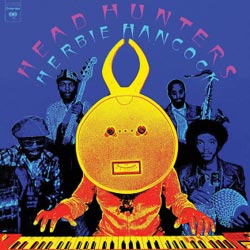
Herbie Hancock's groundbreaking albums Head Hunters and Sextant helped redefine modern jazz by blending funk, electronic instruments, synthesizers, and advanced studio production techniques. These recordings pushed both musicians and engineers into new creative territory.
Capturing performances of this complexity required equipment capable of preserving detail while maintaining impact, clarity, and dynamic range. Quad Eight-equipped studios provided the flexibility necessary to handle layered arrangements, powerful rhythm sections, and emerging electronic instruments without sacrificing musicality.
Tracks from these albums remain highly regarded for their punchy low end, expansive soundstage, and impressive sense of depth. Engineers continue to study them as examples of how sophisticated recording techniques can support innovative musical ideas while remaining accessible to listeners.
Today, Head Hunters and Sextant are recognized not only as important jazz recordings, but also as influential productions that helped shape the future of funk, electronic music, fusion, and modern studio recording.
Village Recorders and the Famous Quad Eight Console
Among recording professionals, few studios carry the reputation of Village Recorders in Los Angeles. Over the decades, the facility hosted sessions for some of the most respected artists in music history. One of the studio's most celebrated pieces of equipment was its Quad Eight console.
Engineers who worked on the desk frequently described it as delivering powerful low frequencies, detailed mids, and exceptional depth. Rather than imposing an obvious sonic signature, the console seemed to enhance performances while preserving their natural character. This balance helped make it a favorite among producers working across multiple genres.
The Village Recorders Quad Eight desk became associated with recordings that demanded both technical precision and musicality. Even today, its reputation remains strong among engineers who appreciate classic analog recording techniques.
Quadrafonic Sound Studio and the Nashville Connection
Nashville's Quadrafonic Sound Studio played an equally important role in the Quad Eight story. Founded by producer Norbert Putnam and engineer David Briggs, the facility became one of Music City's premier recording destinations.
At a time when Nashville was expanding beyond traditional country music, Quadrafonic welcomed artists from rock, folk, pop, and singer-songwriter backgrounds. The studio's Quad Eight console helped capture recordings by Neil Young, Joan Baez, Jimmy Buffett, Dobie Gray, and numerous others.
The success of these projects demonstrated the versatility of Quad Eight equipment. Whether recording intimate acoustic performances or full-band productions, the console consistently delivered professional results.
The Rise of Quad Eight Consoles
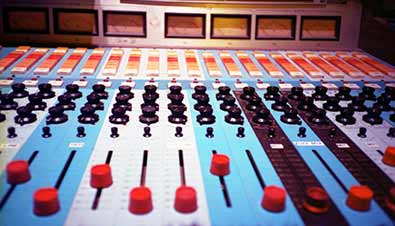
Quad Eight emerged during a period of rapid innovation in recording technology. Studios demanded more channels, lower noise, greater flexibility, and improved fidelity. The company responded with consoles that combined robust engineering and transformer-balanced circuitry.
One of the reasons engineers gravitated toward Quad Eight desks was their ability to balance transparency and character. Instruments retained their natural detail while gaining a sense of authority and depth. This made the consoles equally useful for vocals, drums, acoustic instruments, bass, and complex multitrack productions.
As studios became more ambitious and productions more sophisticated, Quad Eight established itself as a serious competitor to other major console manufacturers of the era.
Why Engineers Compare Quad Eight to API and Neve
When discussions turn to legendary recording equipment, API and Neve are often the first names mentioned. Yet many experienced engineers place Quad Eight in the same conversation.
API consoles are often praised for punch and transient response. Neve equipment is celebrated for depth and richness. Many engineers describe Quad Eight as occupying a desirable middle ground between these two philosophies.
Drums maintain impact and energy. Vocals feel full and engaging. Acoustic instruments preserve detail while remaining musical. This versatility helped Quad Eight earn respect across a wide variety of recording applications.
What Makes a Great Reference Record?
Reference records play a critical role in professional audio. Engineers rely on them when evaluating monitoring systems, checking tonal balance, comparing mixes, and making mastering decisions.
The best reference recordings reveal problems that lesser recordings may hide. They provide reliable benchmarks for frequency balance, stereo imaging, transient response, and dynamic range.
Albums such as Aja, The Wall, and Harvest continue to be used because they translate consistently across different playback environments. Whether heard on studio monitors, headphones, car stereos, or home audio systems, they maintain their musical impact.
Why Engineers Still Love Quad Eight
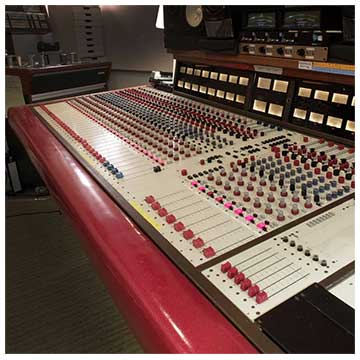
Ask engineers to describe the Quad Eight sound and you'll often hear the same words repeated: punch, openness, authority, depth, and musicality.
Recordings made through these consoles frequently feel larger and more dimensional than expected. Instruments occupy realistic spaces within the stereo field, helping mixes sound immersive and engaging.
This combination of technical performance and musical character continues to attract engineers decades after the consoles were originally built.
A Closer Look at Transformer-Based Console Design
A major contributor to the classic Quad Eight sound is its transformer-balanced circuitry. Transformers do far more than simply transfer audio signals from one stage of a circuit to another—they also influence the tonal character of the recording itself. Many engineers associate transformer-based designs with greater depth, musicality, harmonic richness, and a more three-dimensional soundstage.
The original Quad Eight consoles became known for their ability to deliver punchy low frequencies, open mids, smooth highs, and a sense of size that helped recordings feel larger than life without sounding exaggerated. These qualities helped make Quad Eight desks favorites among engineers working on some of the most respected albums in recording history.
Part of that legacy lives on through Cinemag transformers. Cinemag founder Tom Reichenbach was directly involved in designing the original Quad Eight transformers, and many modern Cinemag designs continue to reflect the engineering principles that helped define the classic Quad Eight sound. This connection provides an important link between the legendary consoles of the past and the recording equipment used in professional studios today.
The continued popularity of transformer-based equipment demonstrates that great audio is about more than technical specifications. It is about creating recordings that feel alive, emotional, and engaging to listeners.
Using the Pacifica and P1 in Modern Recording Sessions
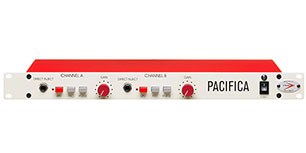
The A-Designs Pacifica Mic Preamp was developed with inspiration drawn from the sonic qualities that made Quad Eight consoles legendary. A key part of that sound comes from its custom Cinemag transformers, which were designed using the same heritage and transformer philosophy that traces back to the original Quad Eight designs.
By incorporating custom Cinemag transformers, the Pacifica delivers many of the characteristics engineers associate with vintage Quad Eight equipment, including powerful low-end response, open and detailed mids, impressive depth, and musical harmonic richness. While the Pacifica is not intended to be a direct recreation of a Quad Eight console channel, it was designed to capture much of the same spirit that made those desks so highly respected.
On vocals, the Pacifica provides presence, clarity, and dimension while maintaining a natural character. On drums, it captures impact and transient energy without sacrificing detail. Acoustic guitars benefit from openness and articulation, while bass instruments gain authority, weight, and note definition. These qualities have made the Pacifica a favorite among engineers working across a wide range of musical styles.
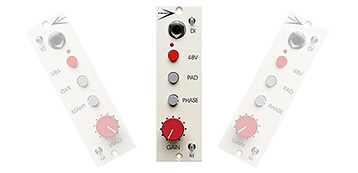
For users working in the popular 500 Series format, the A-Designs P1 Preamp brings the same Quad Eight-inspired design philosophy and custom Cinemag transformer approach to a compact module. Together, the Pacifica and P1 provide modern engineers with access to a sound rooted in one of the most respected console designs in recording history.
The Quad Eight Legacy Lives On
From Harvest and Tapestry to The Wall and Aja, Quad Eight consoles helped shape some of the most influential recordings ever produced.
Their reputation for punch, clarity, depth, and musicality continues to inspire engineers around the world. As interest in classic recording techniques grows, appreciation for the equipment behind those recordings continues to grow as well.
While original Quad Eight consoles have become increasingly rare, their influence remains alive through modern products inspired by their design philosophy. The enduring appeal of Quad Eight serves as a reminder that great sound never goes out of style.
Bring Legendary Quad Eight Tone Into Your Studio
The original Quad Eight consoles helped shape classic albums such as The Wall, Aja, Harvest, and Tapestry. Today, A‑Designs offers microphone preamps inspired by those legendary recording circuits.
Pacifica Mic PreampClassic Quad Eight-inspired sound with custom transformers. 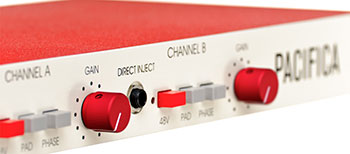 |
P1 500 Series PreampThe classic Pacifica sound in a compact 500 Series format. 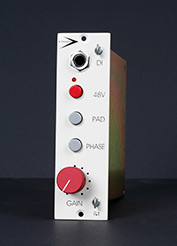 |
Learn More About Classic Recording Gear
Many engineers who discover these albums become curious about what made Quad Eight consoles sound so different from other legendary designs.
For a detailed comparison of their sonic character against other industry favorites, see our guide to Quad Eight vs API vs Neve.
Explore more articles on Quad Eight consoles, microphone preamps and transformer-based gear: